
Direct Answer
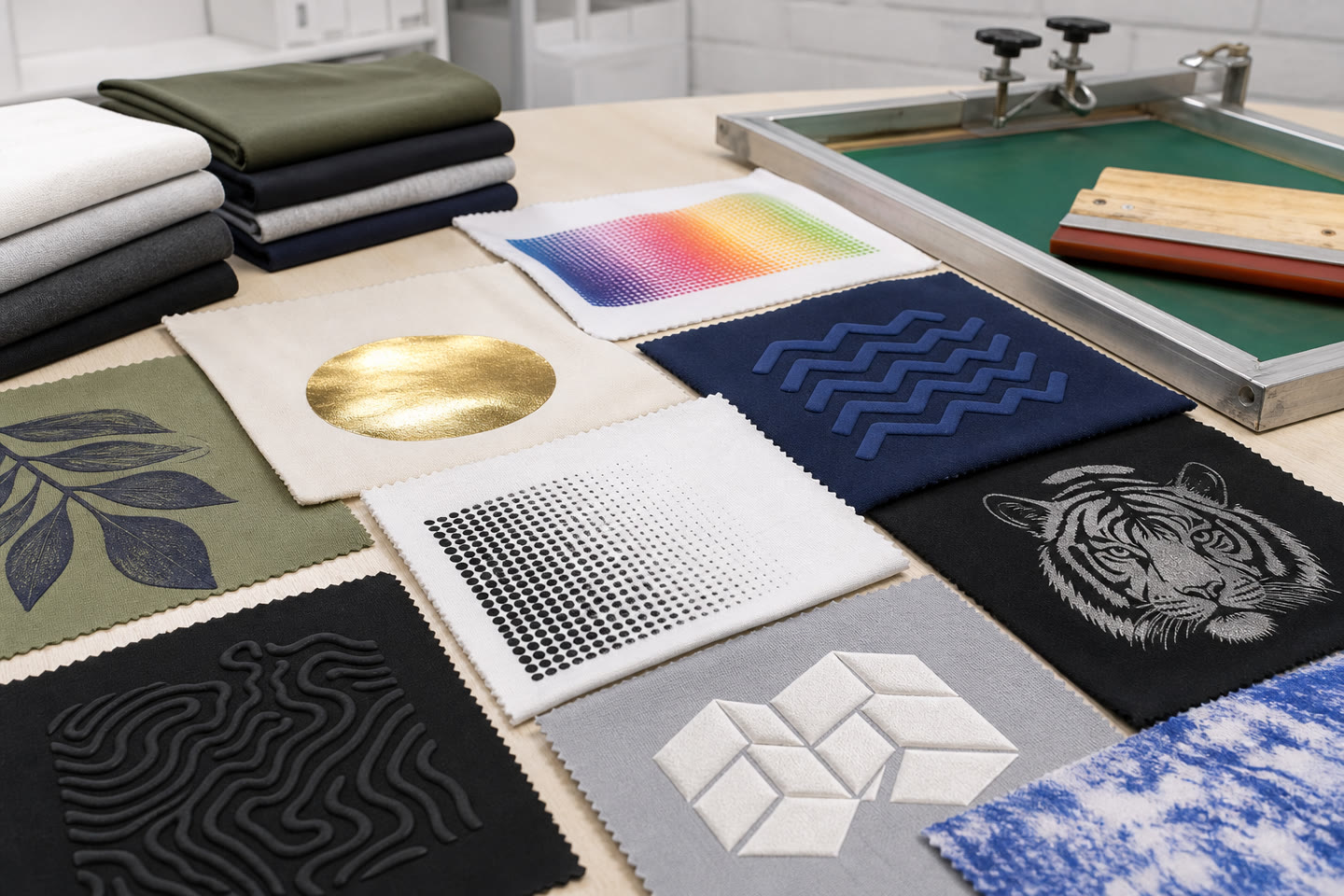
The best apparel printing method depends on fabric composition, garment color, artwork detail, print coverage, stretch, hand feel, wash requirements and target cost. Water-based and discharge printing can create a softer result on compatible fabrics. Rubber paste improves opacity on dark colors. Puff, silicone and high-density printing add dimension. Foil and flock create decorative surfaces, while sublimation is best suited to compatible light-colored polyester. Always approve the method on the actual production fabric before bulk manufacturing.
How Buyers Should Compare Printing Methods
A printing name is not a complete specification. Ink chemistry, pretreatment, screen mesh, temperature, pressure and curing can change the result. Buyers should therefore compare a physical strike-off, a finished sample and agreed test results. Supplier terminology can vary, so define the required appearance and performance rather than relying only on the process name.
15 Common Apparel Printing Methods
1. Rubber-Paste Printing
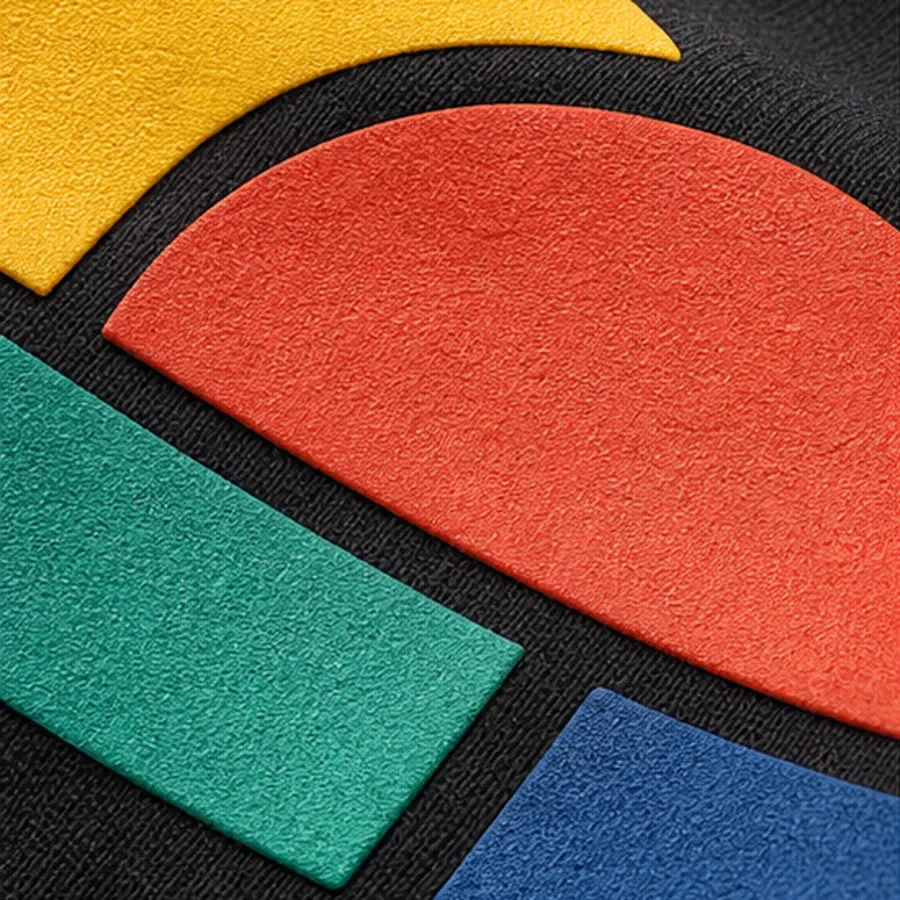
Rubber-paste printing forms an opaque surface layer with strong coverage on dark fabric. It suits bold graphics and lettering. Confirm stretch recovery, hand feel and breathability when the artwork covers a large area.
2. Water-Based Printing
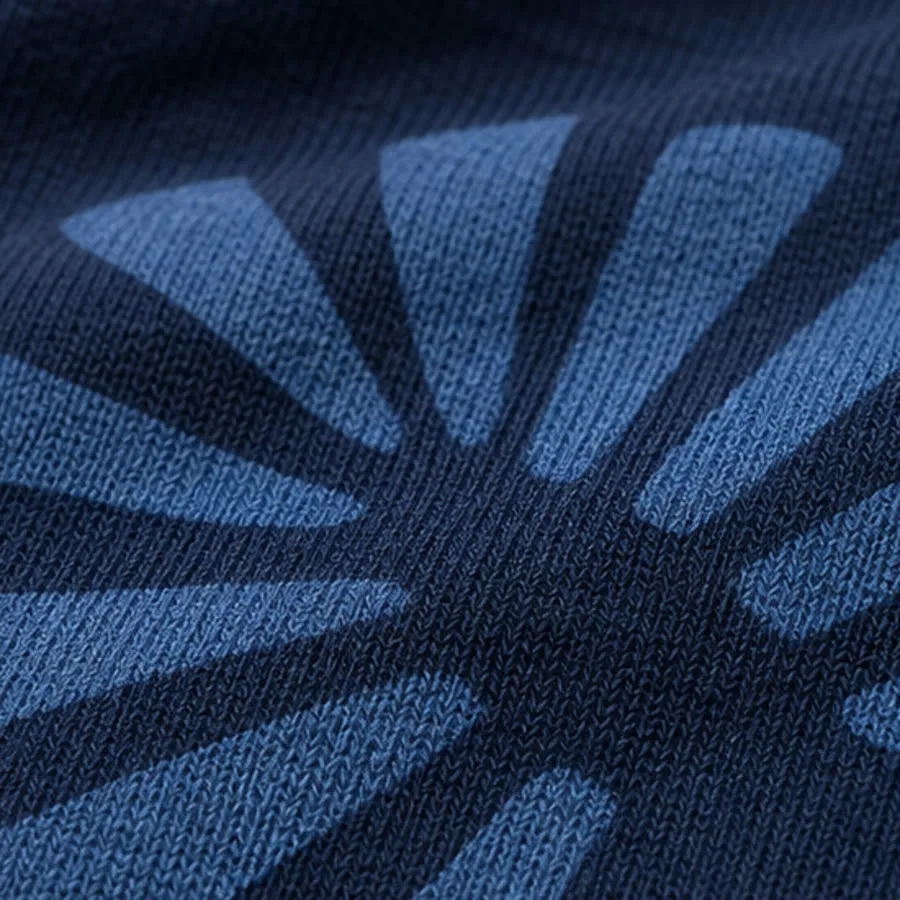
Water-based printing lets color penetrate the textile for a softer, more breathable result. It works best on compatible absorbent fabrics. Dark garments may require additional process development to achieve accurate color.
3. Penetration Printing
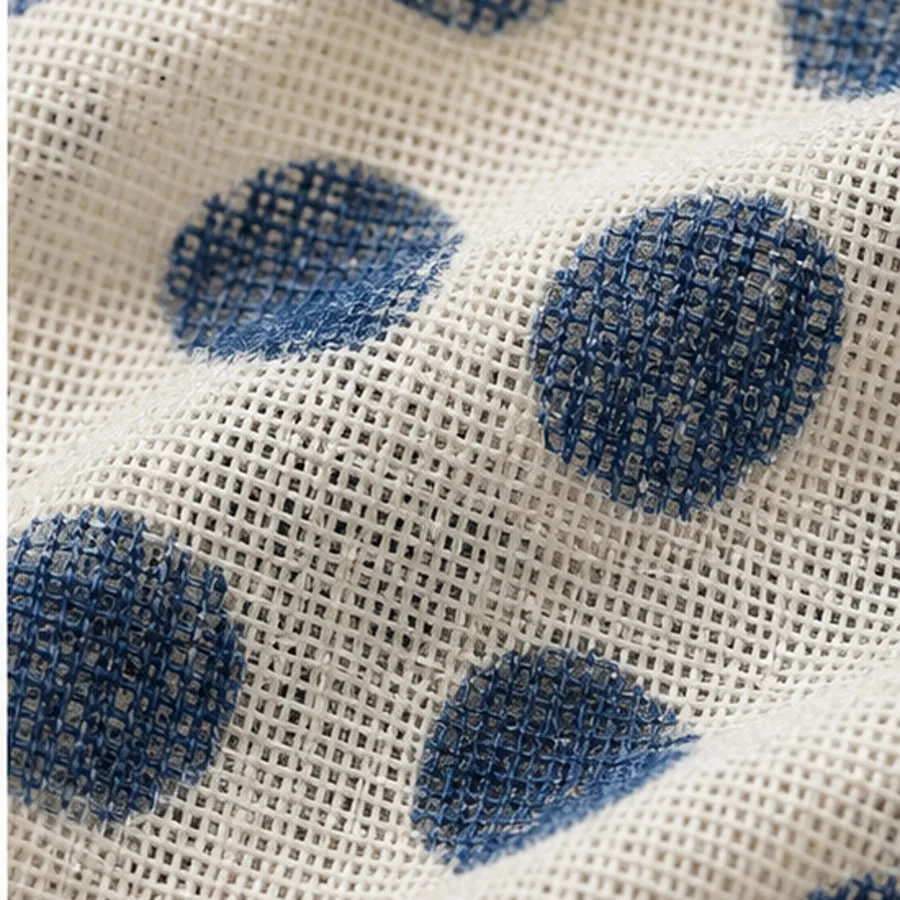
Penetration printing carries color through an open textile structure. It can suit lightweight or mesh-like materials when reverse-side visibility matters. Test definition, migration and fabric compatibility before approval.
4. Ink Printing
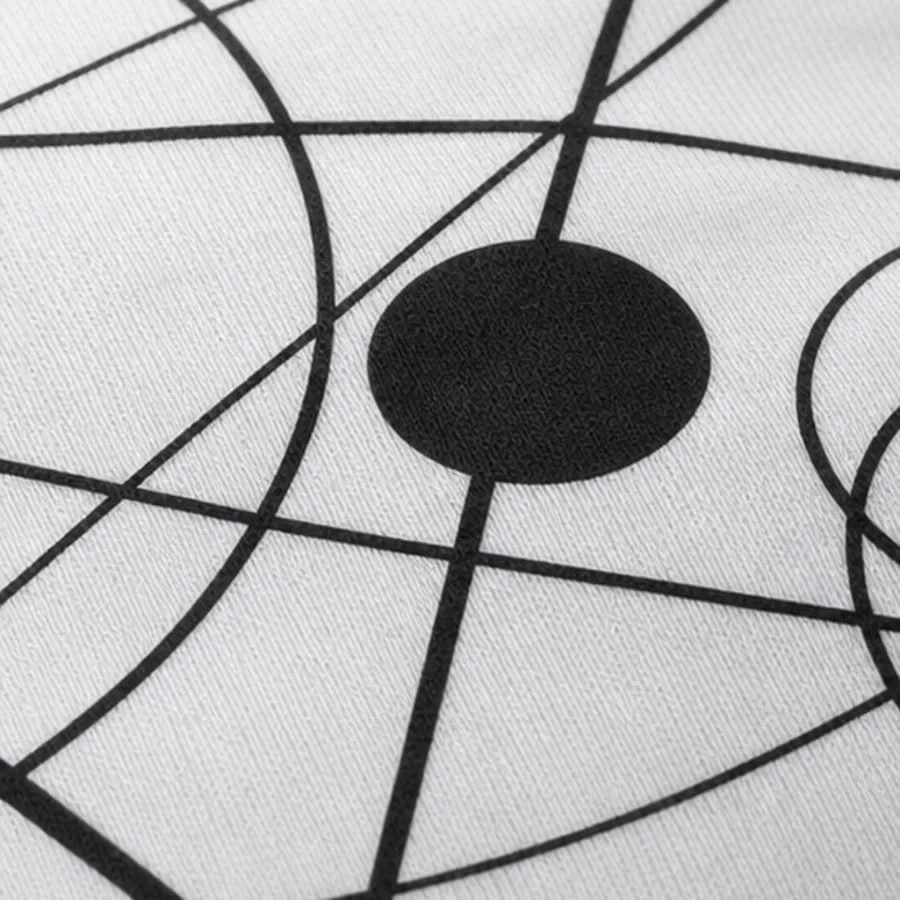
Ink printing is a broad supplier term for a smooth, clearly defined surface print. Ask which ink system is proposed, then check odor, adhesion, rubbing, hand feel and wash performance.
5. Puff Printing
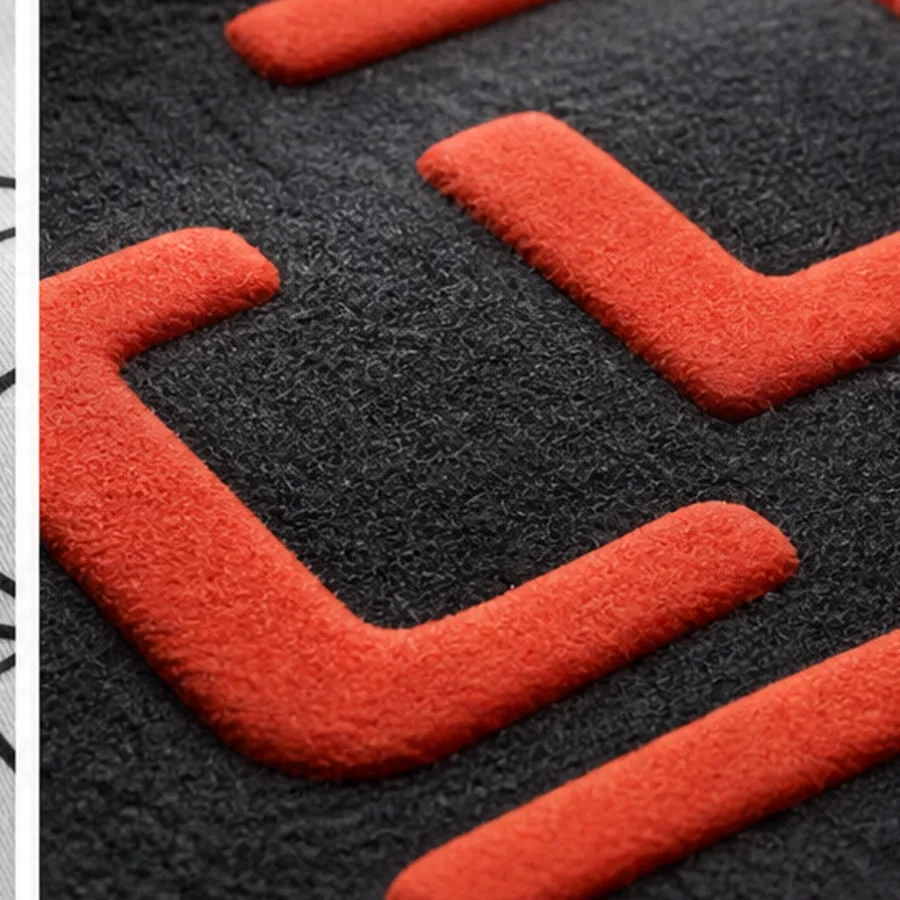
Puff printing expands during curing to produce a soft raised effect. It works well for bold lettering and simple graphics. Fine lines and inconsistent curing can cause uneven height.
6. Silicone Printing
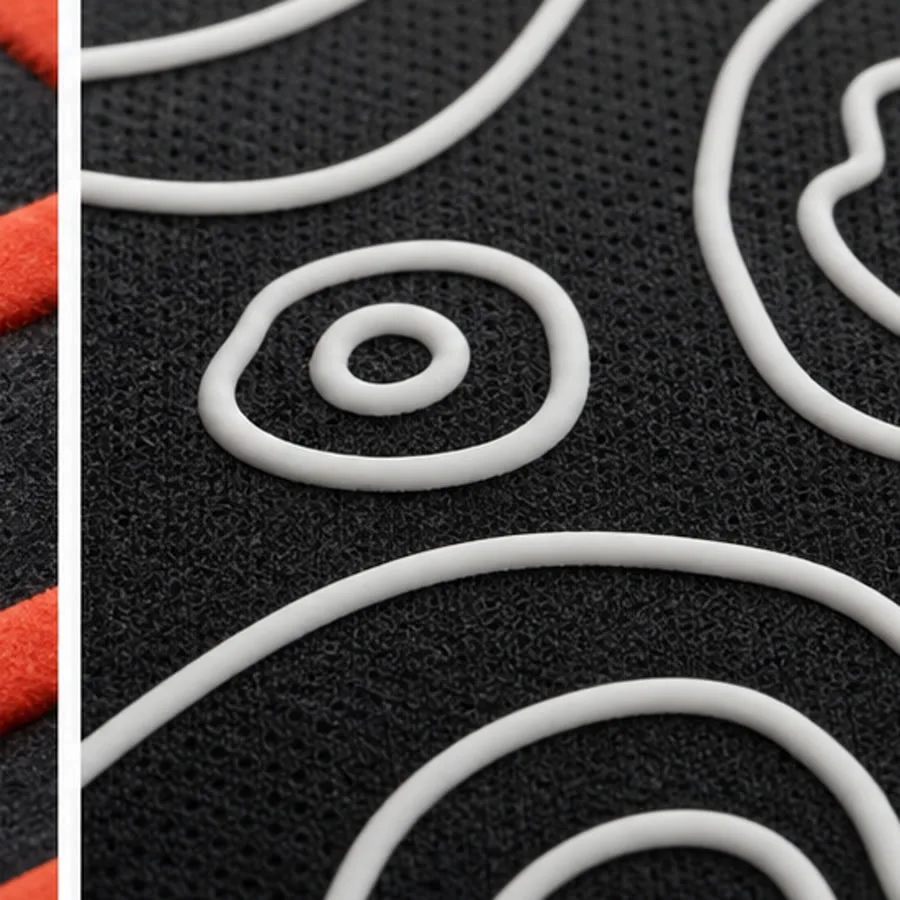
Silicone printing creates flexible, clean and dimensional lines. It may suit performance garments and premium logos. Confirm adhesion on treated fabrics, stretch recovery, thickness and production consistency.
7. Foil Printing
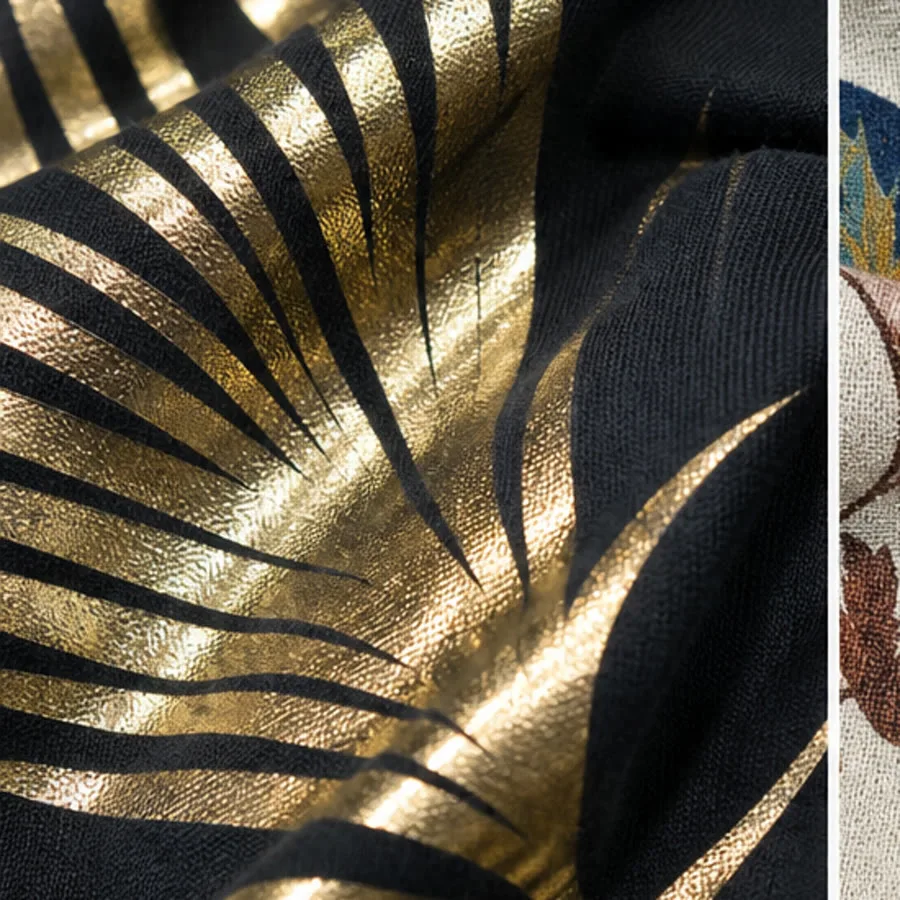
Foil printing applies a reflective metallic surface for decorative impact. Buyers should define the expected finish and test abrasion, repeated washing and packaging pressure because metallic layers can be sensitive.
8. Pigment Printing
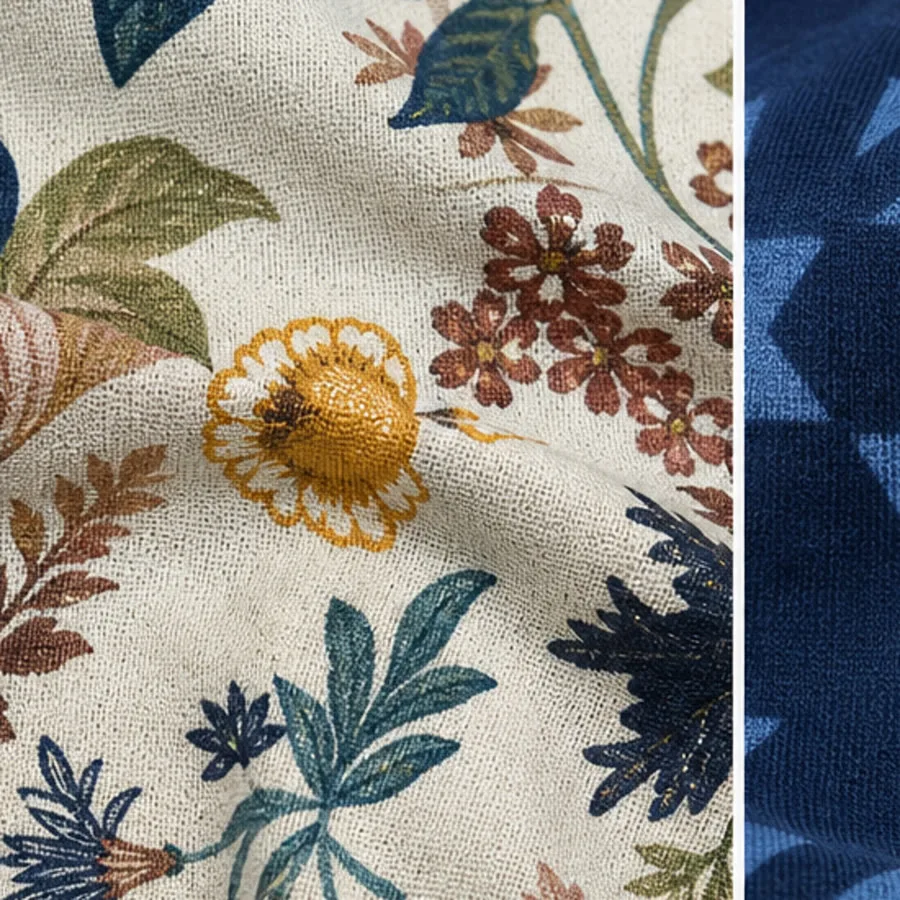
Pigment printing fixes color particles to the fabric with a binder. It supports detailed multicolor designs across suitable fibers. Check dry and wet rubbing, surface feel and color change after washing.
9. Discharge Printing
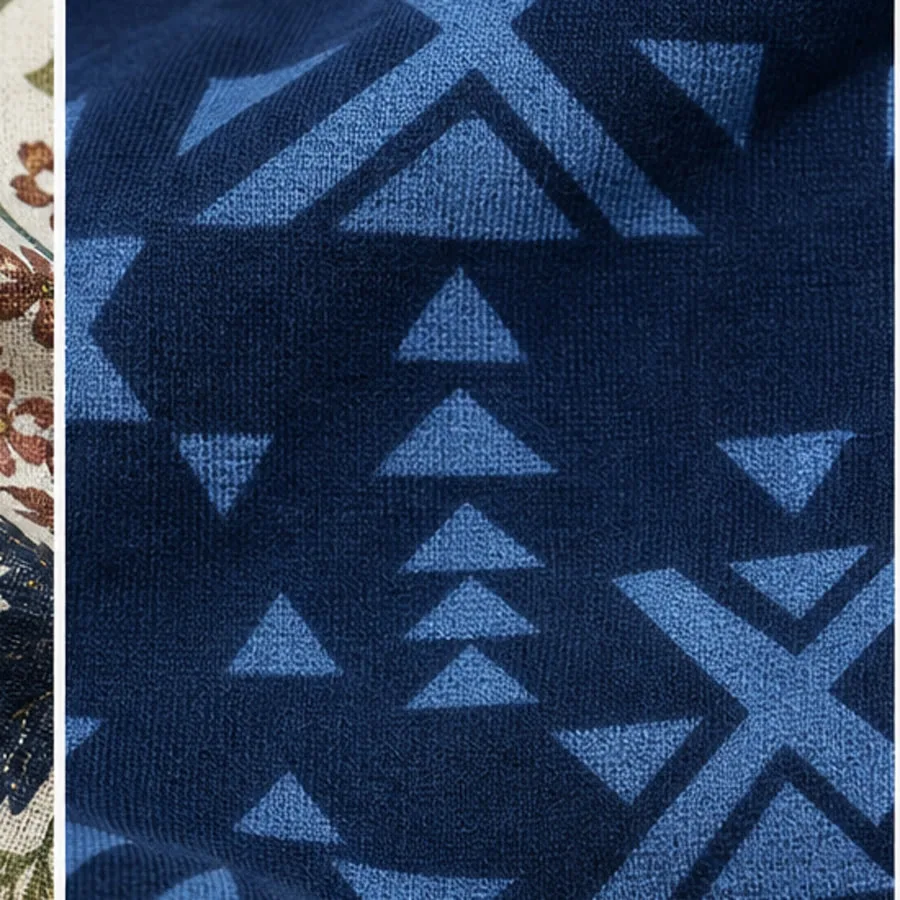
Discharge printing changes or removes the garment’s base dye to create the design. It can feel softer than a heavy surface print, but results depend strongly on fabric dye and color.
10. Flock Printing
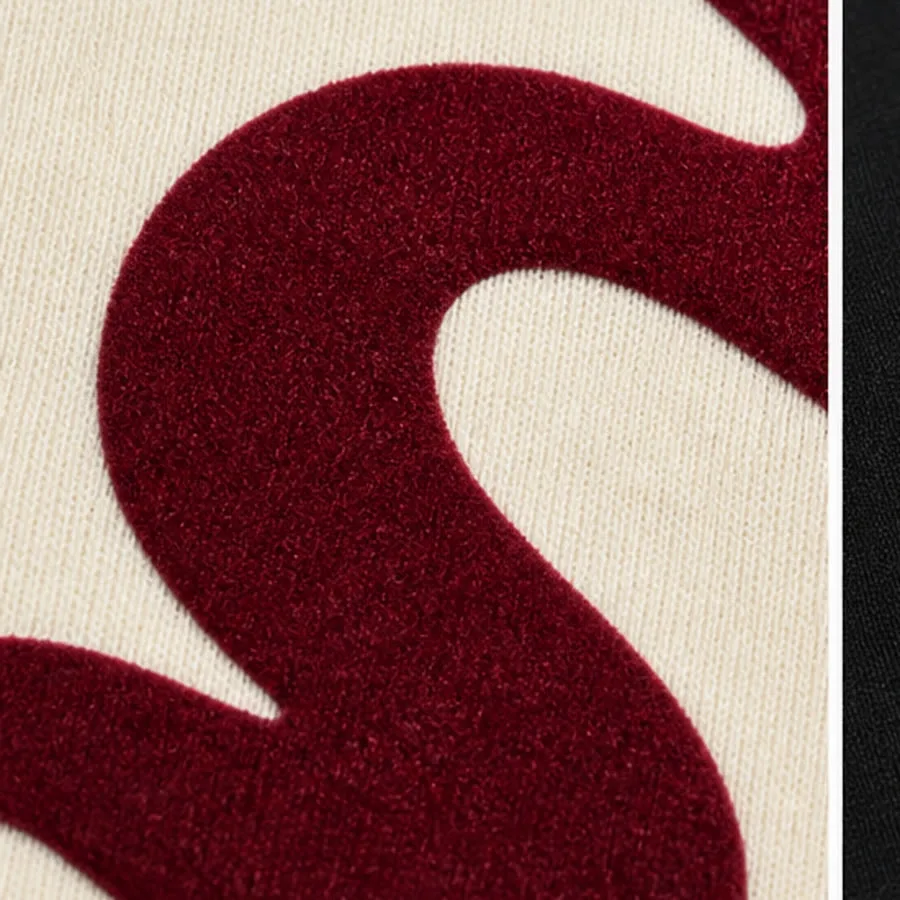
Flock printing bonds short fibers to an adhesive area, creating a velvet-like texture. Confirm edge cleanliness, fiber density, shedding and wash durability. Large areas may feel stiff or warm.
11. Heat-Transfer Printing
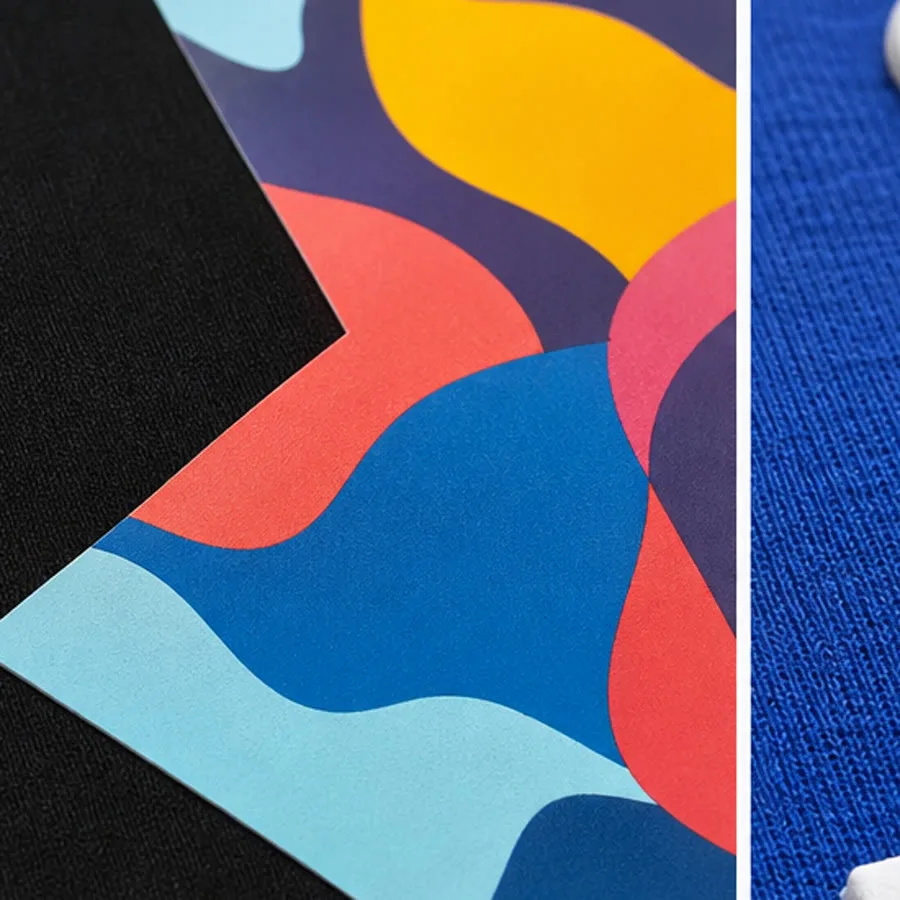
Heat-transfer printing applies a prepared graphic using controlled heat and pressure. It supports complex artwork and shorter runs. Test edge lifting, cracking, stretch, dye migration and heat sensitivity.
12. High-Density Printing
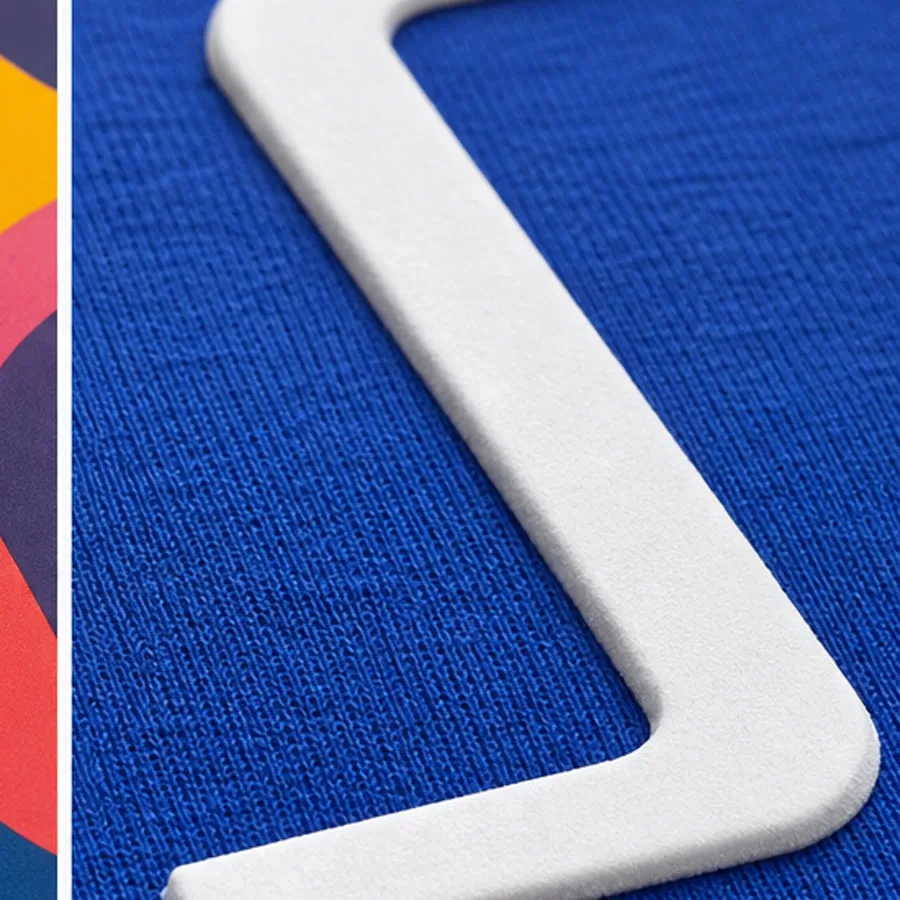
High-density printing builds a thick graphic with sharp raised edges. It suits structured logos and geometric artwork. Approve print height, flexibility and edge profile; very small details may be unsuitable.
13. Sublimation Printing
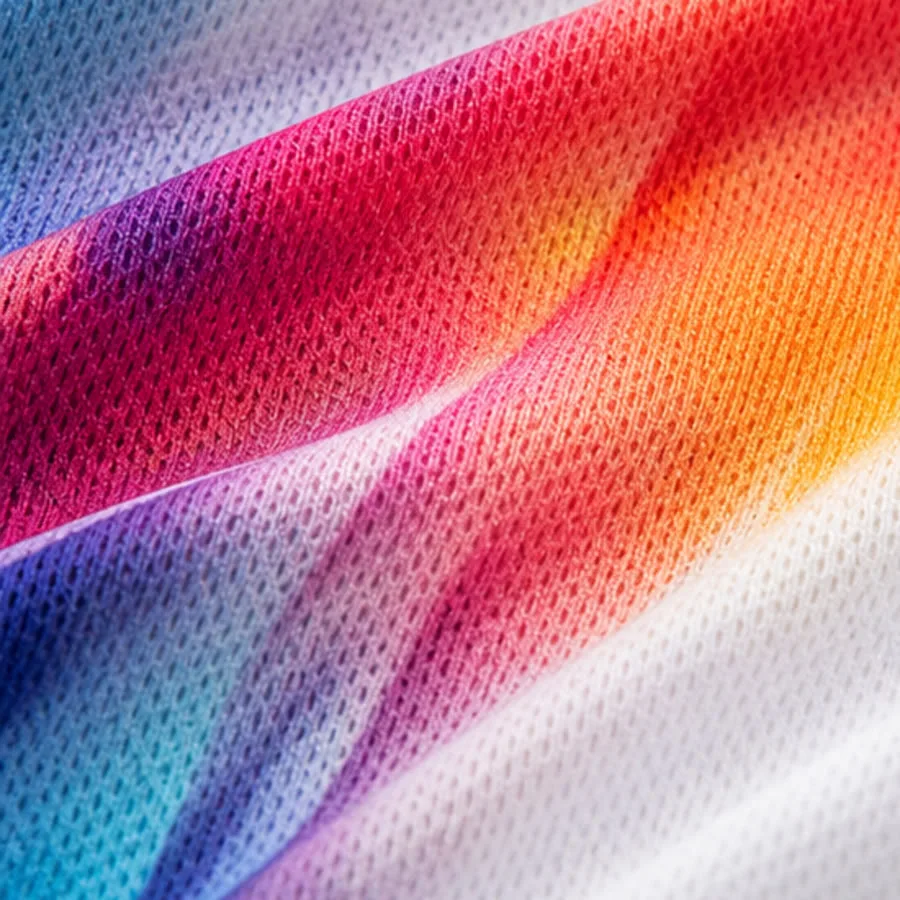
Sublimation transfers dye into compatible synthetic fibers, producing detailed color without a heavy surface layer. It is generally most suitable for light-colored polyester-rich fabrics and all-over sports graphics.
14. Raised-Paste Printing
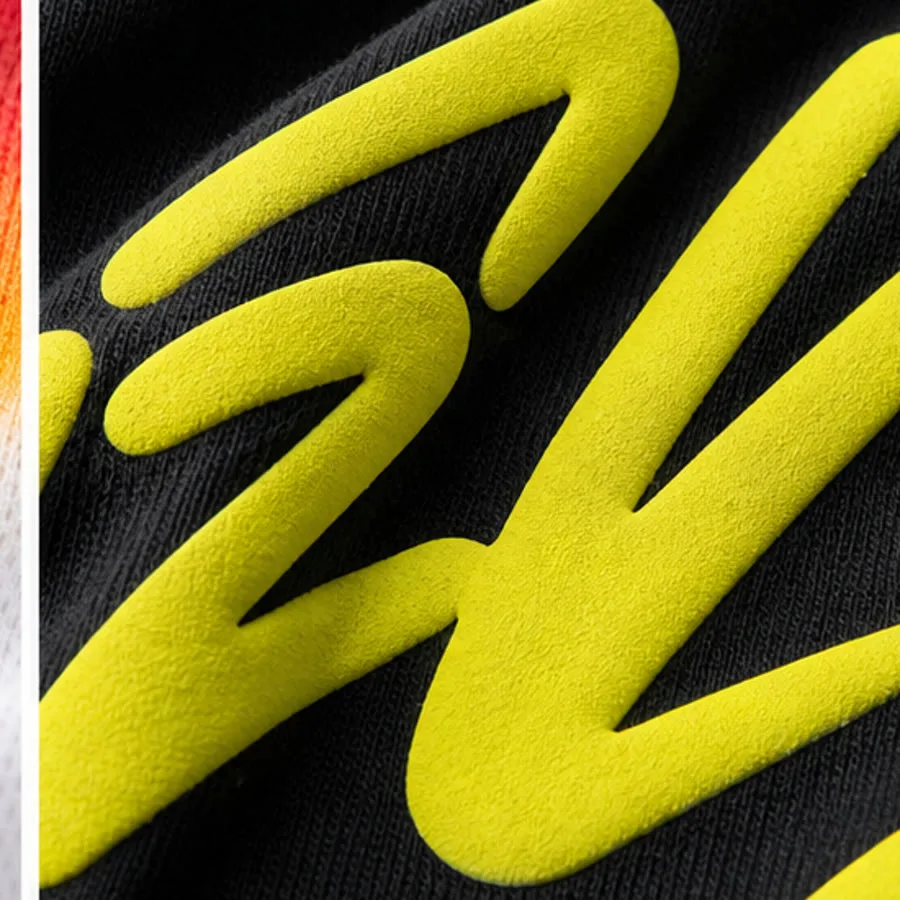
Raised-paste printing creates a bold dimensional surface. Use it selectively for statement graphics. Large coverage can increase stiffness and reduce airflow, so approve thickness and flexibility on the garment.
15. Embossed or Relief Printing
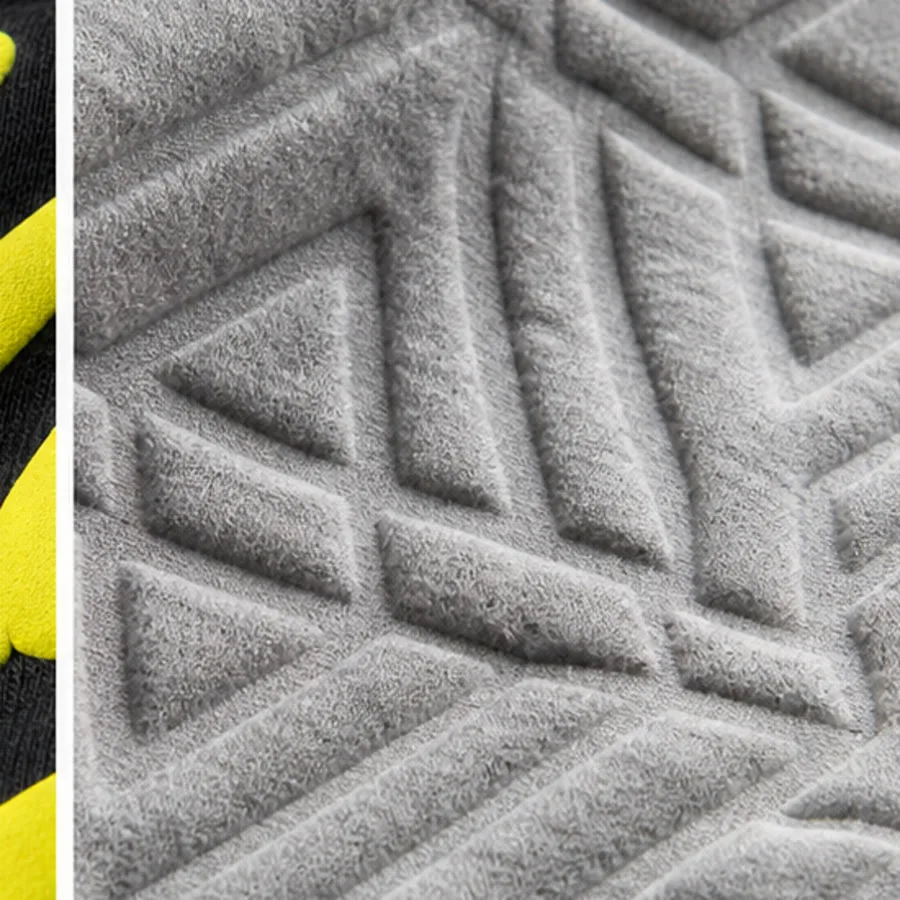
Embossed printing creates recessed and raised patterns through tooling, pressure or a compatible print system. Verify relief recovery after washing, steaming and packing, especially on soft or stretchy fabrics.
Quick Selection Guide
| Buyer priority | Methods to evaluate | Confirm before bulk |
|---|---|---|
| Soft hand feel | Water-based, discharge, sublimation | Fabric and wash result |
| Strong opacity | Rubber paste, pigment | Coverage and breathability |
| Raised texture | Puff, silicone, high-density, raised paste | Height and flexibility |
| Decorative finish | Foil, flock | Abrasion and washing |
| Detailed color | Heat transfer, pigment, sublimation | Migration and color accuracy |
What to Include in a Printing Brief
Provide vector artwork, print dimensions, placement measurements, color references, fabric composition, garment color, required hand feel, care method and test expectations. Approve a strike-off on production fabric and retain a sealed sample for bulk comparison. TRANSION can coordinate printing with apparel development, OEM/ODM manufacturing and private-label requirements, depending on the project.
Frequently Asked Questions
Which apparel printing method is most durable?
Durability depends on the complete ink-fabric-process combination. Silicone, pigment and selected screen-print systems can perform well when correctly specified and cured, but every project requires testing.
Which method is best for dark T-shirts?
Opaque rubber paste, selected pigment systems, silicone and suitable transfers are common options. The best choice depends on artwork, hand feel, stretch and wash requirements.
Can one method work on every fabric?
No. Cotton, polyester, nylon, fleece and treated performance fabrics behave differently. Test the actual fabric because adhesion, migration, heat sensitivity and color appearance can change.
Discuss Your Printing Requirements
Send your garment reference, fabric information, artwork, target quantity and required finish through Request a Quote or contact TRANSION. Our team can help organize sampling, approvals, production follow-up and quality checks for suitable projects.