
Branded Product Development and Delivery
Private Label Clothing Manufacturer in China
TRANSION helps international buyers develop private label clothing from product concept to branded delivery. Our team coordinates samples, fabrics, trims, printing, embroidery, labels, hangtags, barcodes, packaging, production follow-up, quality checks, and export preparation.
Private Label Support Beyond Adding a Logo
A private label project is not complete when a logo is placed on a garment. Product specifications, fit, materials, decoration, labels, hangtags, barcodes, packaging, and shipment information must work as one approved system. A mismatch between these components can delay approval or create an inconsistent retail presentation.
Hangzhou Transion Apparels coordinates product development and brand implementation through one central team. We review garment requirements together with buyer-provided brand files and packaging instructions, then manage sourcing, sampling, production follow-up, quality checks, packing confirmation, and export preparation.
What You Can Bring to the Project
Product Information
- Tech pack and measurement chart
- Design drawings or product specifications
- Physical reference garment
- Product images with requested changes
- Target quantity, size range, market, and schedule
Brand Information
- Logo and artwork files
- Color and placement requirements
- Woven, care, and size-label files
- Hangtag and barcode data
- Packaging and carton instructions
Open Development Decisions
If details are incomplete, identify what is confirmed and what still needs support. We can then separate quotation inputs from material, construction, artwork, or packaging decisions that require development.
Product Development in Our Sample Room
Our in-house sample room supports pattern development, pattern adjustments, sample making, measurement corrections, fit changes, workmanship confirmation, and sample revisions. It can also help confirm fabrics, trims, print or embroidery placement, labels, and packaging samples before production approval.
For buyer-led designs, development follows the approved specifications. If a buyer starts with a broader product direction, available ODM support may include style modification, material recommendations, pattern development, and sample making. The level of involvement is agreed according to the category, available information, complexity, quantity, budget, and schedule.
The development stage should create a reliable production reference. Measurements, tolerances, construction, material, color, decoration, branded components, and packaging requirements should be recorded rather than left as assumptions.
Build the Branded Product System
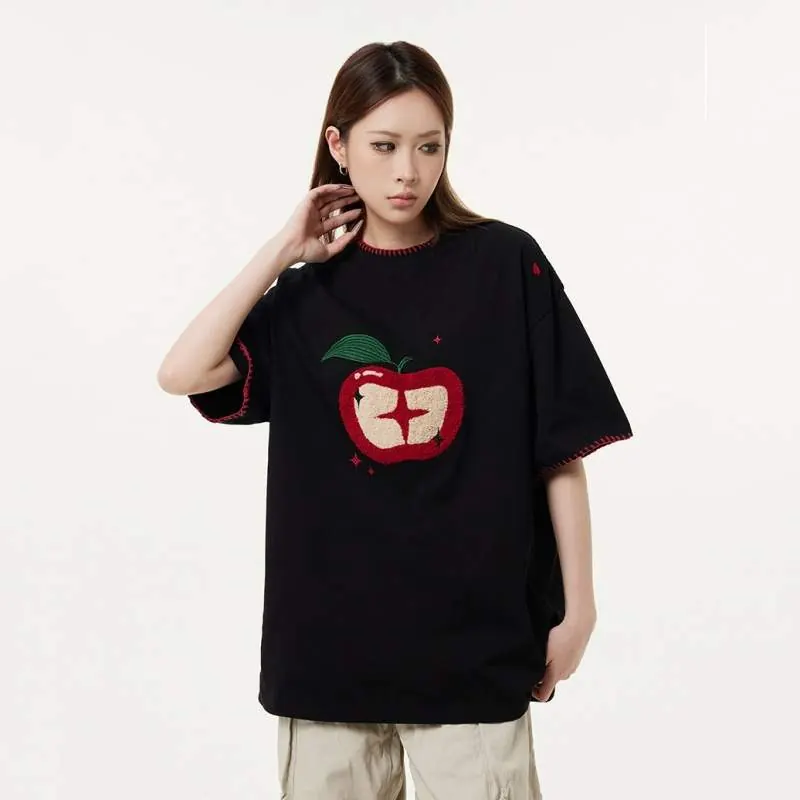
Printing and Embroidery
Artwork format, dimensions, placement, colors, technique, and base fabric must be reviewed together. Buyers can compare apparel printing methods before development samples are approved. Samples may be needed to confirm appearance, hand feel, density, and positioning.
Woven, Care, and Size Labels
Confirm artwork, dimensions, colors, fold type, material, attachment method, size breakdown, care content, and exact position. Buyers should approve destination-market wording and compliance information.
Hangtags, Barcodes, and Packaging
Confirm designs, data, materials, dimensions, placement, print quality, packaging warnings, assortment, polybags, stickers, carton markings, and packing ratios before ordering custom components.
Sample and Pre-Production Approval
A garment sample confirms the product, but a private label project may require several connected approvals. The exact sequence depends on project complexity and buyer requirements.
Fit, measurements, construction, materials, and workmanship.
Print, embroidery, placement, dimensions, and colors.
Labels, hangtags, barcodes, and approved files.
Individual packing, assortment, carton labels, and markings.
Comments should be consolidated and recorded so each revision can be checked consistently. Sample timing is confirmed after the product, materials, artwork, and components have been reviewed.
Production Options for Different Programs
TRANSION combines an in-house sample room and own small-scale production facility with long-term manufacturing partners. Our facility can support samples, trial production, smaller programs, and selected apparel projects that match its category, equipment, quantity, and schedule.
Larger orders, specialist categories, special equipment, or multi-category programs may require one or more selected partner factories. Production placement depends on product type, quantity, material, workmanship, quality requirements, schedule, and any audit conditions. TRANSION remains the central project contact for development, sourcing, follow-up, quality coordination, packaging, and export preparation.
For the broader technical and production process, review our custom apparel development and production page. Buyers deciding how much product-development support they need can also compare OEM and ODM project models.
Quality, Inspection, and Brand-File Control
Private label quality includes garment construction and brand presentation. Checks may cover measurements, workmanship, materials, color, print or embroidery placement, label content and position, hangtags, barcode matching, packing method, assortment, and carton markings.
AQL-based inspection or another project-specific method can be arranged when appropriate. Buyers may appoint a third-party inspection company, and TRANSION can coordinate access and timing before shipment.
Brand files should be managed through approved versions. The buyer should identify final artwork and data for each style, color, and size. This reduces the risk of outdated logos, incorrect barcodes, or unapproved packaging being released.
MOQ, Timing, and Certification Review
There is no single MOQ for every private label product. Feasibility depends on category, fabric, colors, print or embroidery, special workmanship, custom labels, packaging, and how quantities are divided by style and color. Smaller brands can review our MOQ planning guide for custom apparel.
Sample timing depends on design readiness, material availability, product complexity, branded-component development, and revision rounds. Bulk-production timing depends on final approval, quantity, materials, workmanship, factory arrangement, and season.
Certification and audit requirements must be reviewed against the selected production facility and materials. Qualified partners may support BSCI, ISO, OEKO-TEX, or other requirements where applicable. Availability is project-specific and must be verified before placement.
Related Product Categories
Frequently Asked Questions
Can TRANSION develop private label clothing from a product idea?
Potentially, yes. Depending on the brief, support may include product direction, style modification, material recommendations, pattern development, and sample making. The required involvement is reviewed for each project.
Can you use our tech pack and brand files?
Yes. We can develop products from buyer-provided specifications and coordinate approved logos, labels, hangtags, barcodes, and packaging. Buyer designs and brand assets remain buyer-provided project materials.
Can you coordinate woven labels, care labels, and hangtags?
Yes. These components can be coordinated according to approved artwork, dimensions, colors, materials, fold or attachment methods, content, and placement.
Can smaller programs use your own facility?
Our small-scale facility can support selected smaller programs, development orders, and suitable products. Feasibility depends on category, quantity, construction, equipment, material, and schedule.
Can certified production be arranged?
Certification and audit availability depends on the selected facility, materials, and project. Requirements such as BSCI, ISO, or OEKO-TEX can be reviewed through qualified partners where applicable.
Can a third-party company inspect our order?
Yes. Buyer-appointed third-party inspection can be coordinated. Scope, standard, timing, and reporting should be agreed before shipment.
What determines private label MOQ and timing?
MOQ and timing depend on product type, fabric, colors, decoration, custom components, packaging, quantity structure, material availability, production arrangement, revision rounds, and season.
Plan Your Private Label Collection
Send your product files, target quantity, materials, logo artwork, labels, packaging requirements, destination, and schedule. If some details are still open, identify them so our team can review the appropriate development route.
Buyer Planning Resources
A clear specification package helps align the garment, branding, labels and packaging before quotation.