
Browse linen and cotton apparel organized by natural-fiber direction, including dresses, shirts, pants, blouses and lightweight jackets. This collection helps buyers compare composition, fabric weight, handfeel, breathability, opacity, shrinkage and garment-wash requirements across several product types. Review the linen clothing manufacturing guide or send a linen or cotton apparel brief.
Linen & Cotton Apparel Product Collection
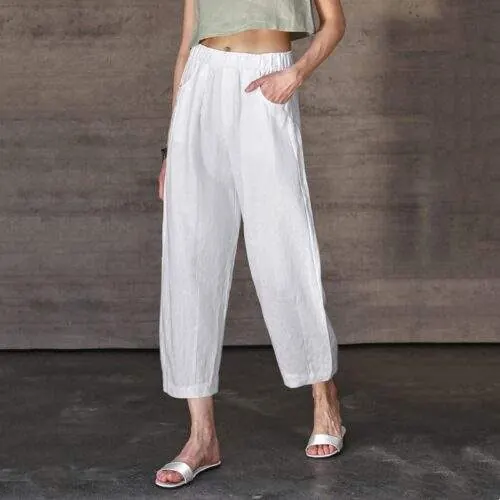
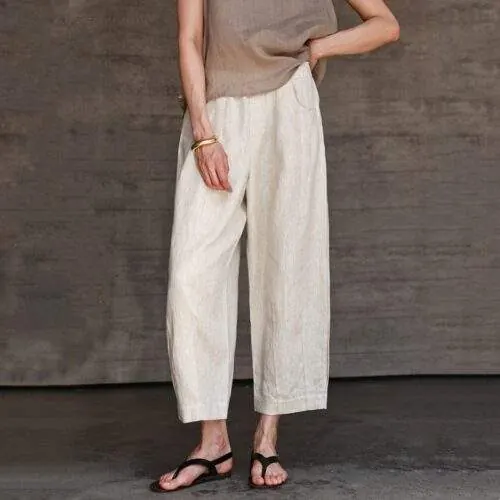
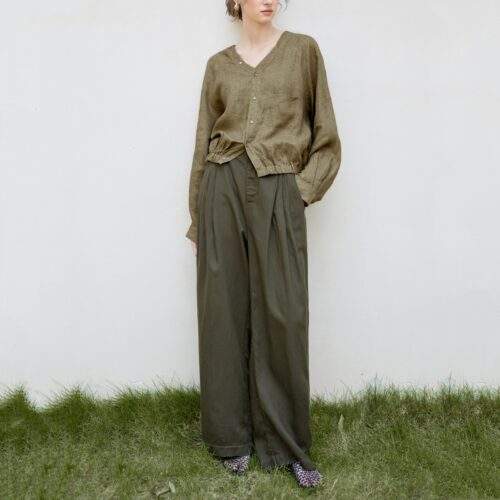
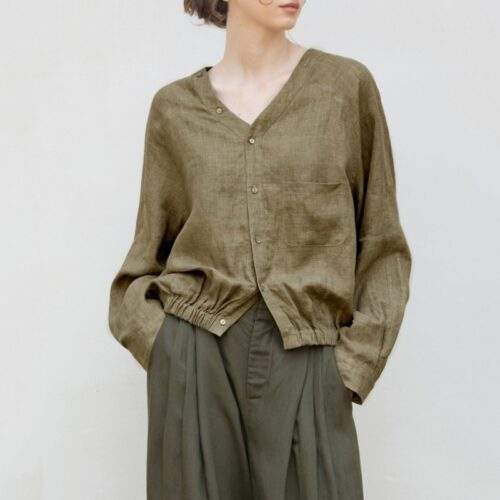
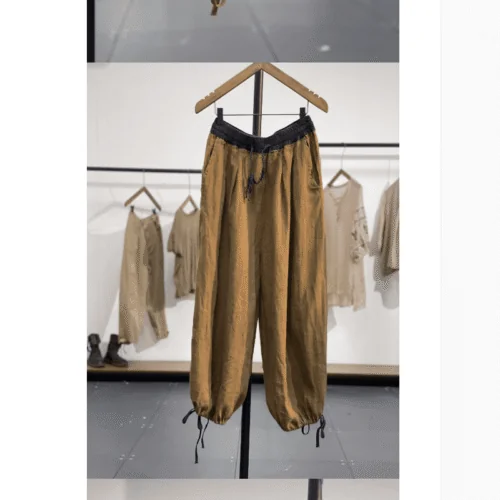
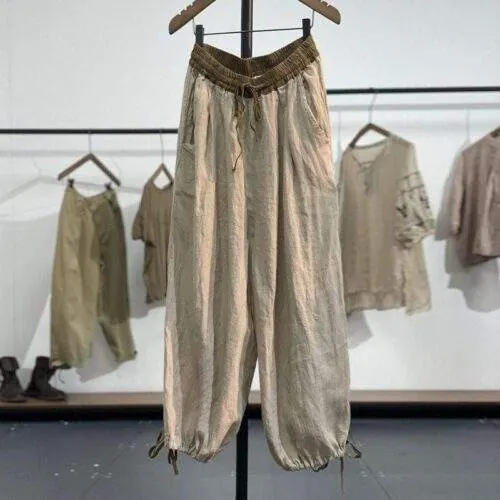
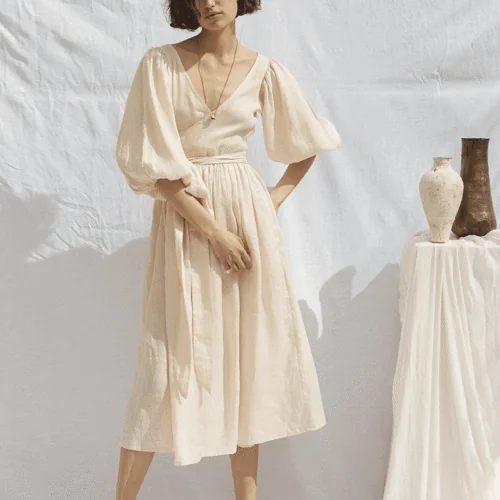
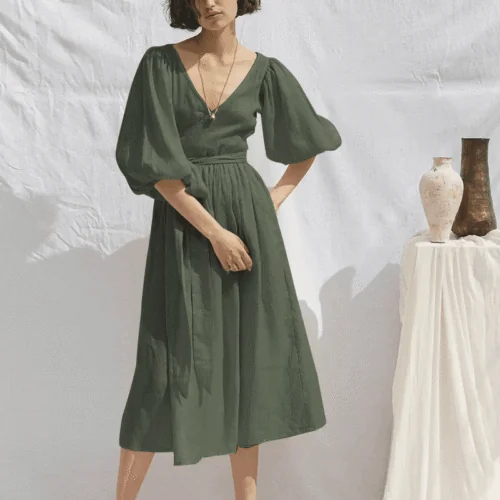
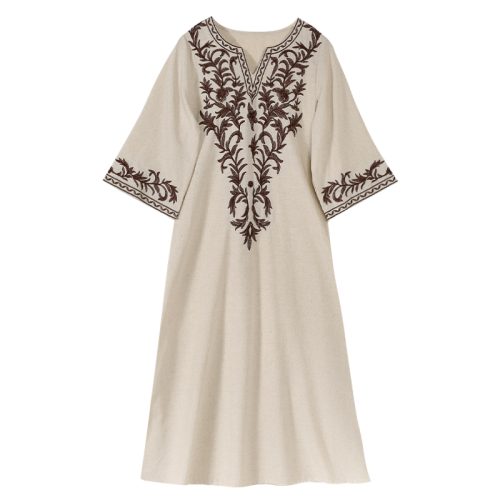
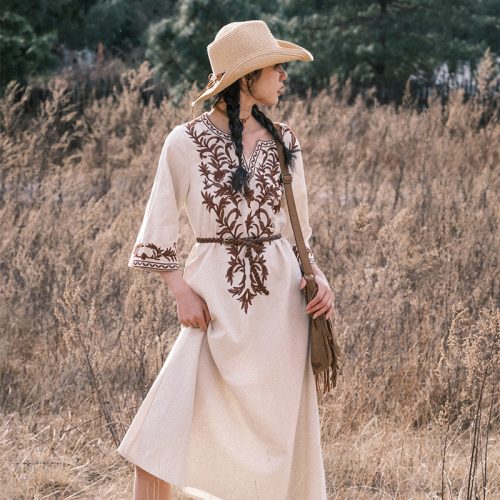
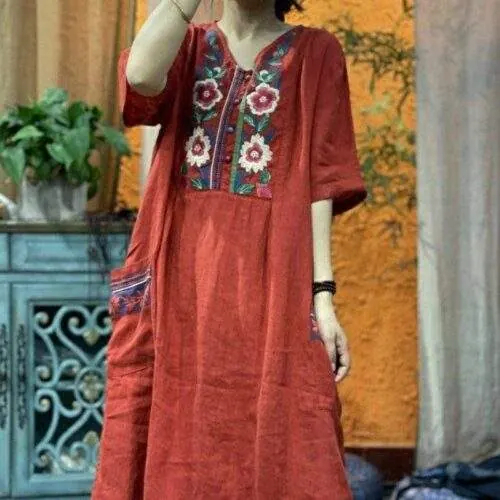
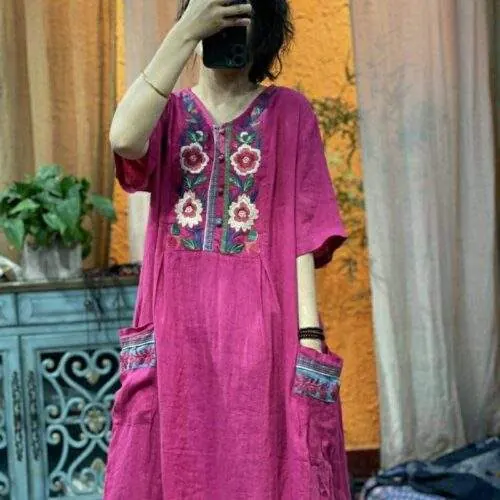
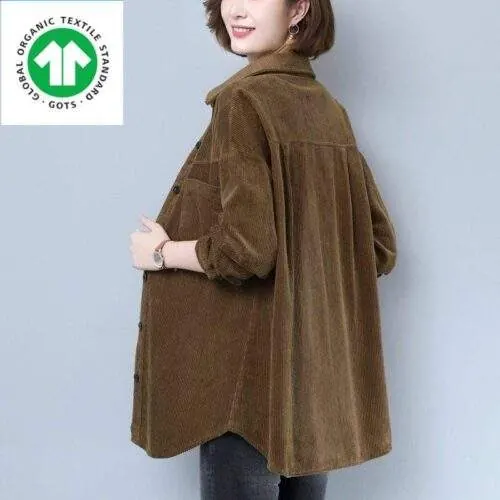
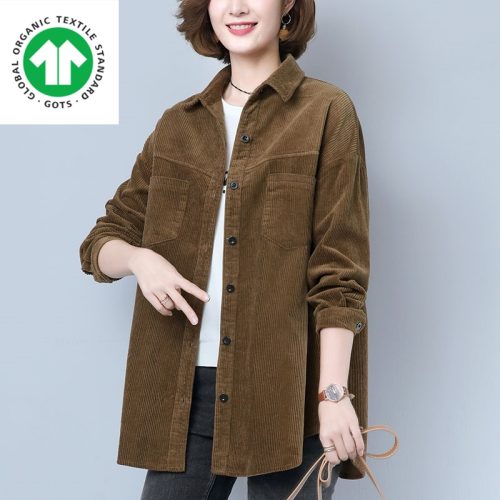
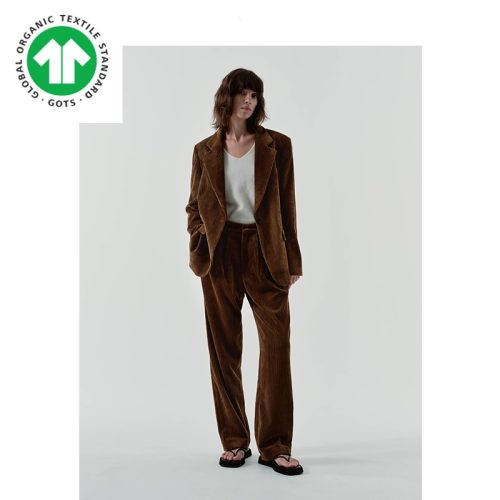
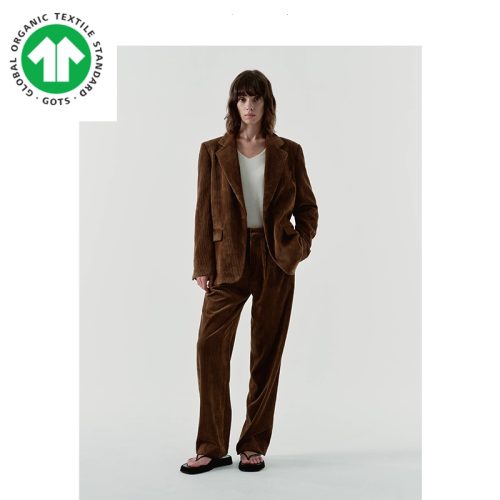
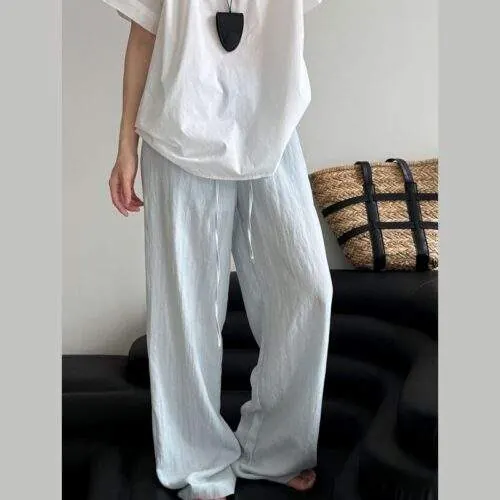
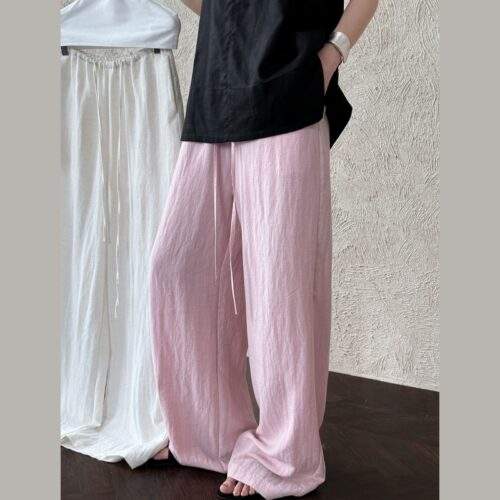
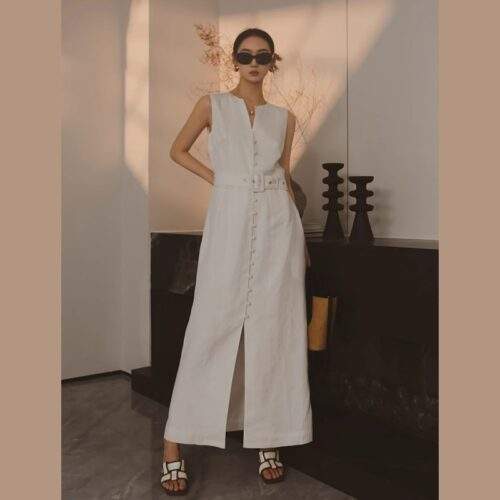
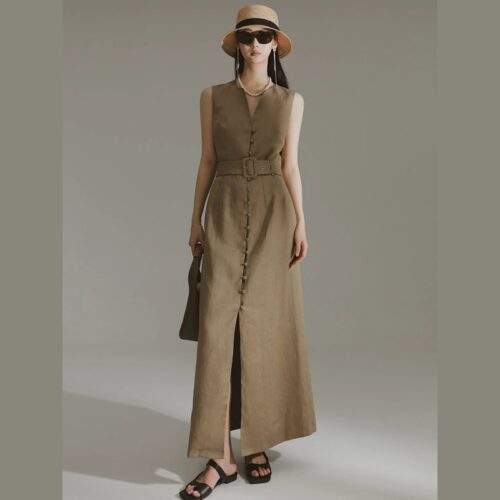
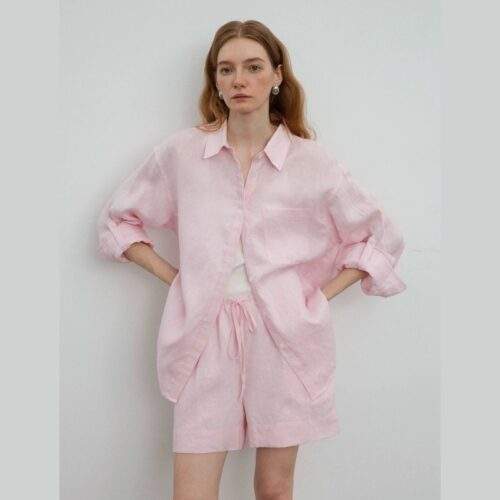
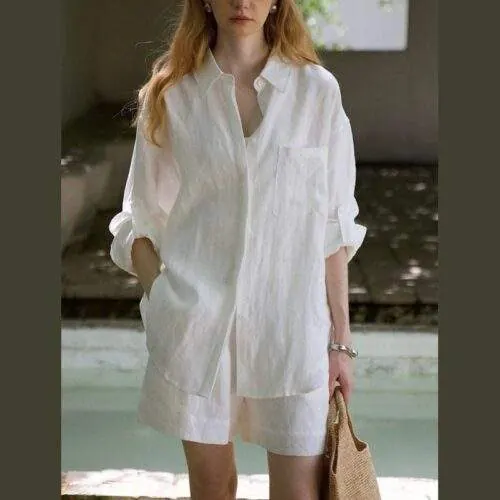
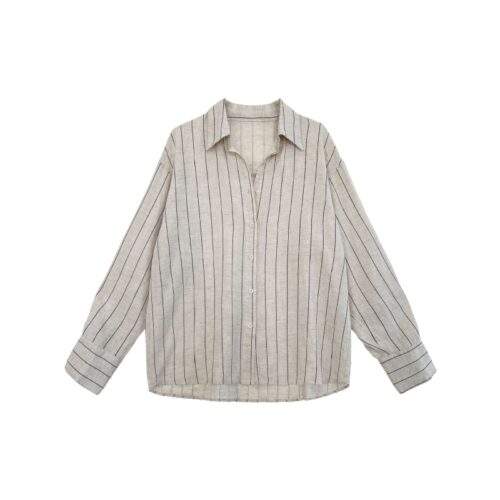
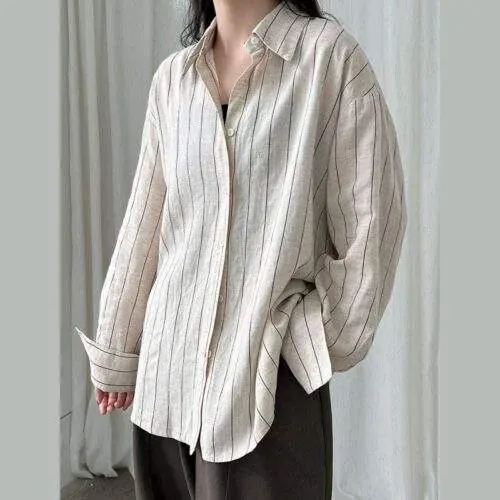
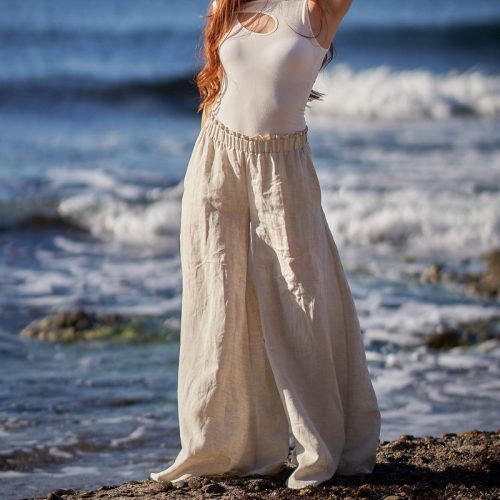
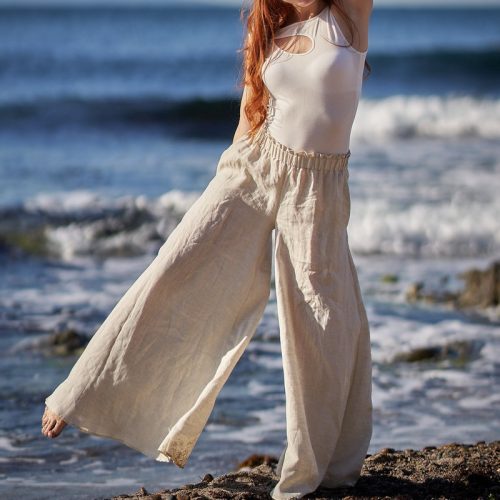
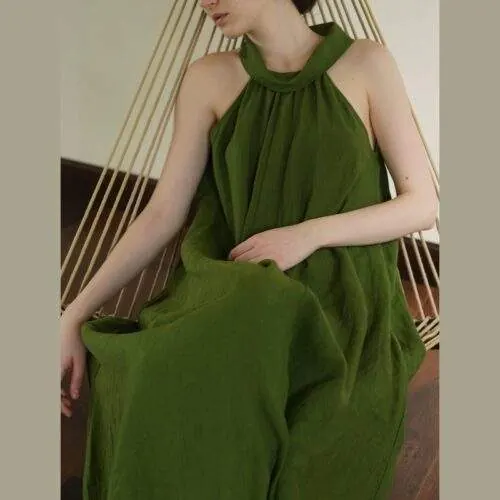
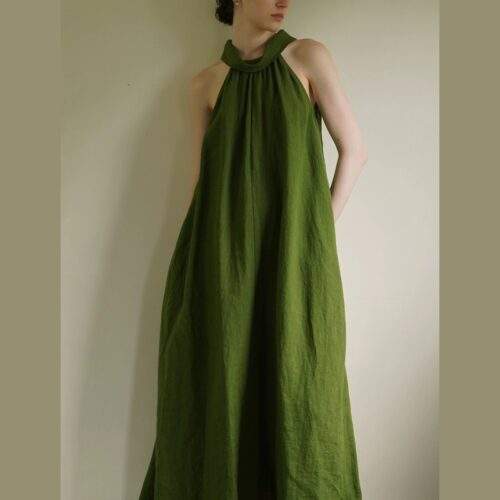


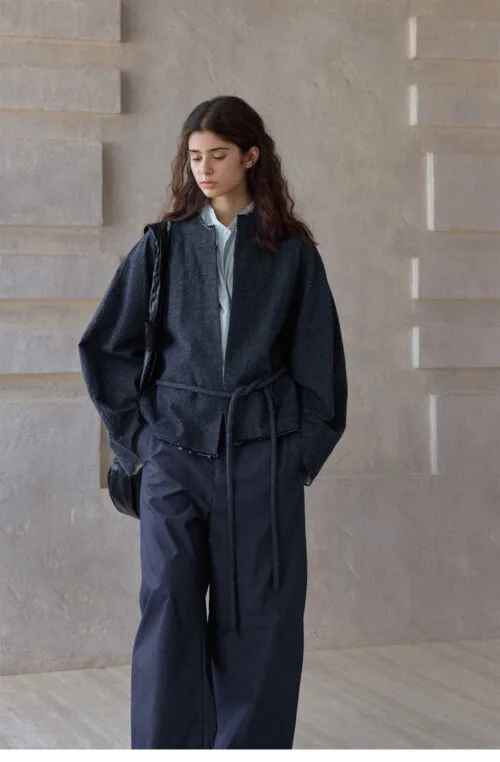
Priority Product References
Start with these representative products, then use the full category and numbered product-list pages to review additional styles.
OEM/ODM Linen&Cotton Production Capabilities
TRANSION helps apparel brands, retailers, and sourcing teams develop custom linen&cotton products with flexible fabric sourcing, sample development, size grading, labeling, packaging, and bulk production support.
- Private label and OEM/ODM production for brand collections.
- Fabric, color, fit, logo, trim, label, and packaging customization.
- Sampling before bulk orders to confirm quality and production details.
- Quote support based on quantity, material, target market, and delivery country.
Set a Measurable Natural-Fiber Approval Standard
Linen and cotton garments should be developed from an agreed fabric standard, not from a fiber name alone. Buyers should define the required composition, weave or knit, weight, handfeel, surface character, opacity, color and finishing direction. Pure linen, cotton, and blended fabrics can differ in drape, wrinkle appearance, shrinkage and availability, so the final specification should identify what matters most for the target garment and market.
Customization depends on silhouette. Dresses may require lining, drape and length control; shirts need collar, placket, cuff and transparency review; pants require waistband, rise, inseam and pocket decisions. Labels, buttons, embroidery, wash finish, size grading and packaging should be considered with the garment construction rather than added after the sample is approved. Where shrinkage or color change matters, agree on the wash method and measurement points used to assess the sample. A fabric swatch, development sample and size-set stage can be used as separate approvals when the project complexity requires them. Record the approved fabric, wash method and measurement chart together so later revisions use the same evaluation basis.
For quotation, send the selected garment references, target market, preferred or required composition, fabric weight and handfeel direction, color plan, size range, estimated quantity by style, measurements, trim and branding requirements, wash instructions, packaging and destination country. Fabric availability, MOQ, sampling steps, timing and cost should be confirmed against the final brief.
Related Sourcing Pages
Use these linen and cotton styles as starting points for natural-fiber private label apparel programs.