
How to Choose Fabric for Custom Apparel
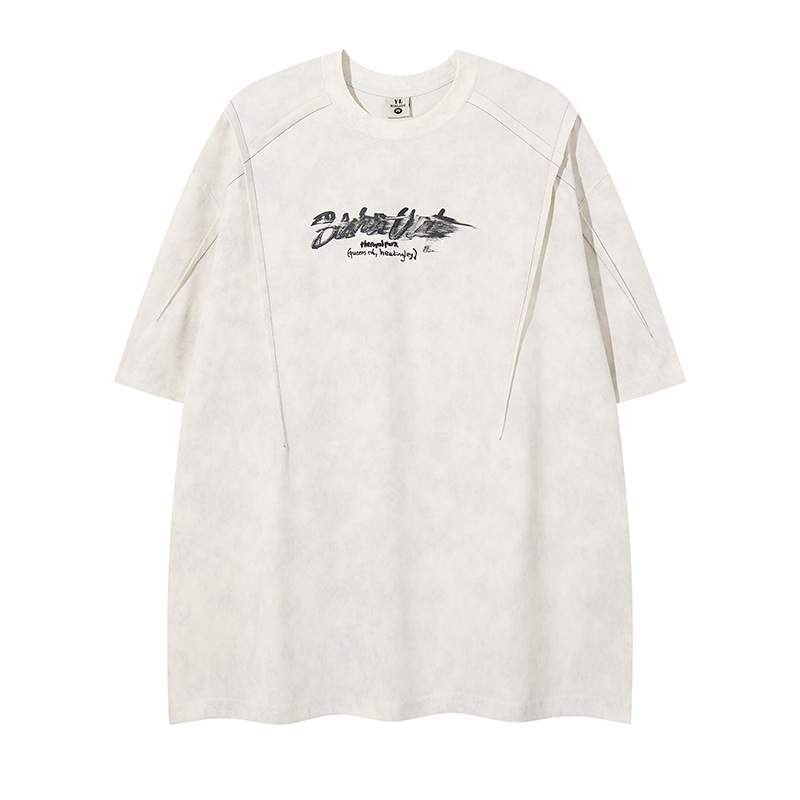
Fabric choice affects cost, fit, comfort, shrinkage, color consistency, and perceived quality. For OEM/ODM apparel manufacturing, buyers should connect fabric decisions with the target market, retail price, season, logo method, and expected order quantity.
A good fabric brief does not only name the material. It should also include weight, hand feel, stretch, surface texture, wash effect, lining requirement, and any testing or compliance needs for the destination market.
Fabric Direction by Product Type
- Hoodies: fleece, French terry, heavyweight cotton blends, garment wash, rib quality, and shrinkage control.
- T-shirts: cotton jersey, slub jersey, rib neck quality, GSM, embroidery or print compatibility.
- Dresses: drape, pleating stability, lining, opacity, wrinkle recovery, and seasonal weight.
- Linen clothing: linen cotton blends, breathable hand feel, garment wash, shrinkage control, and natural texture.
- Winter accessories: wool blends, acrylic, cashmere-like yarn, fleece lining, faux fur, touchscreen fabric, and warmth level.
What to Send the Factory
Send reference photos, target fabric composition, GSM or thickness, color standard, hand-feel expectation, test requirements, and target price range. If you have a physical swatch, it can make sourcing and quotation more accurate.
Buyer FAQ
Should buyers choose fabric before contacting the factory?
A clear fabric direction is helpful, but the factory can also suggest alternatives based on target price, season, MOQ, and production feasibility.
What is GSM?
GSM means grams per square meter. It is a common way to describe fabric weight, especially for T-shirts, hoodies, fleece, and jersey fabrics.
Can one style be produced in different fabrics?
Yes, but fabric changes can affect fit, shrinkage, drape, cost, and production lead time. Sampling is recommended before bulk production.