
OEM and ODM Apparel Development
OEM & ODM Clothing Manufacturing Services in China
Choose an OEM route for buyer-led designs and specifications, or an ODM route when your collection needs additional product-development support. TRANSION coordinates requirements, materials, patterns, samples, production follow-up, quality, packaging and export through one project team.
TRANSION supports international apparel brands, importers, wholesalers, retailers and corporate buyers with both OEM and ODM clothing programs in China. OEM projects normally begin with buyer-provided designs, tech packs, measurement charts or approved samples. ODM projects may begin with a product direction, reference images or a collection brief and require more support with materials, construction, patterns and sample development. Our in-house sample room, own small-scale production facility and long-term manufacturing partners provide different routes for development and production, while TRANSION remains the central team for approvals, follow-up, quality, packaging and export coordination.
Choose the Right Manufacturing Route
The right route depends on what has already been developed, which decisions remain open and how much technical or product-development support the buyer expects. We review the available files, category, quantity, workmanship, materials, branding and expected schedule before confirming the route.
OEM Clothing Manufacturing
OEM is suited to buyers who own or control the product concept and can provide a tech pack, drawings, measurements, artwork, an approved sample or a combination of these materials.
TRANSION reviews the information for production, identifies missing or conflicting details and coordinates materials, patterns, samples, decoration, labels, packaging and production follow-up against approved requirements.
ODM Clothing Development
ODM is suited to buyers with a product direction, reference style, mood board or collection brief who need additional help turning that direction into a workable garment.
Depending on the agreed brief, support may include material recommendations, style modification, pattern development, construction proposals, sample making and revisions before buyer approval.
For a detailed explanation of terminology and responsibilities, read our OEM versus ODM clothing manufacturing guide. This page focuses on starting and managing a commercial project.
What Buyers Should Provide
Product Information
Category, design files, tech pack, measurements, reference sample or images, plus intended use and target customer.
Materials and Details
Fabric direction, colors, trims, construction, printing methods, embroidery and other decoration requirements.
Branding and Packing
Labels, hangtags, barcodes, artwork and packaging instructions that are available for review.
Commercial Direction
Target quantity, size range, destination market, price positioning and expected launch or delivery schedule.
The first brief does not need to be perfect. Clearer specifications reduce uncertainty, while open decisions should be identified early. Buyers remain responsible for confirming that supplied logos, artwork and design materials are authorized for use.
One Project Team, Flexible Production Resources
In-House Sample Room
Supports patterns, sample making, fit and measurement corrections, workmanship review and revisions while product specifications are being refined.
Own Small-Scale Facility
Can support selected sample, trial and smaller production programs when the category, construction, equipment needs, quantity and schedule are suitable.
Long-Term Manufacturing Partners
Larger, specialized and multi-category orders may use selected partners. TRANSION remains the central contact for information, sourcing, follow-up, quality, packaging and export execution.
Partner facilities are not presented as TRANSION-owned factories. The appropriate production resource is selected after the project requirements are reviewed.
From Brief to Approved Production
1. Review Requirements
Assess files, references, quantity, workmanship, branding, packaging and expected schedule, then identify missing decisions.
2. Confirm Materials
Review fabric, lining, trims, colors, decoration and construction against the intended product and available sourcing routes.
3. Develop Samples
Evaluate fit, measurements, construction, appearance, decoration placement, labels and packaging details through samples and revisions.
4. Record Approval
Confirm the sample, measurements, materials, colors, artwork placement, label files and packaging instructions required for production.
5. Arrange Production
Select a suitable production route according to category, quantity, workmanship, equipment, material availability and schedule.
6. Check, Pack and Export
Coordinate quality requirements, optional third-party inspection, approved packaging, cartons, export documents and shipment preparation.
Apparel Categories We Can Review
OEM and ODM enquiries may cover womenswear, menswear and fashion accessories. Each category is reviewed separately because a jersey T-shirt, structured coat and knitted accessory may require different materials, knowledge and equipment.
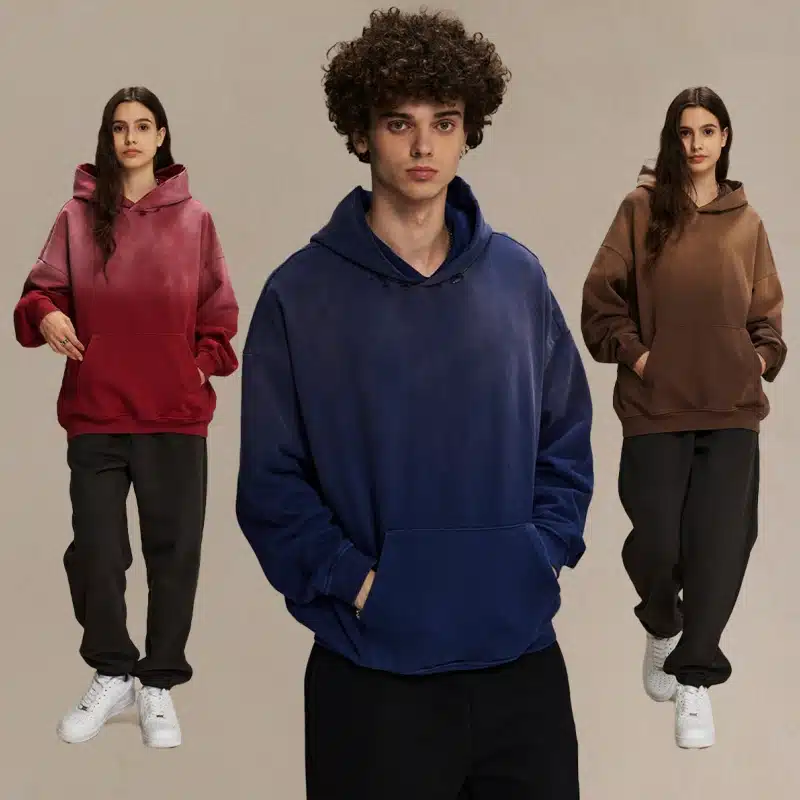
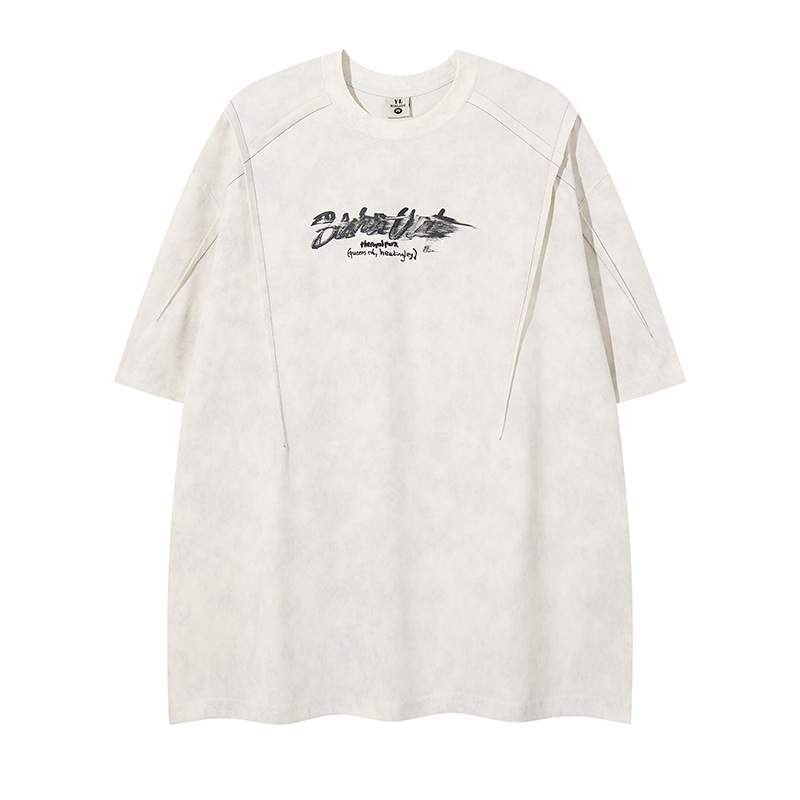
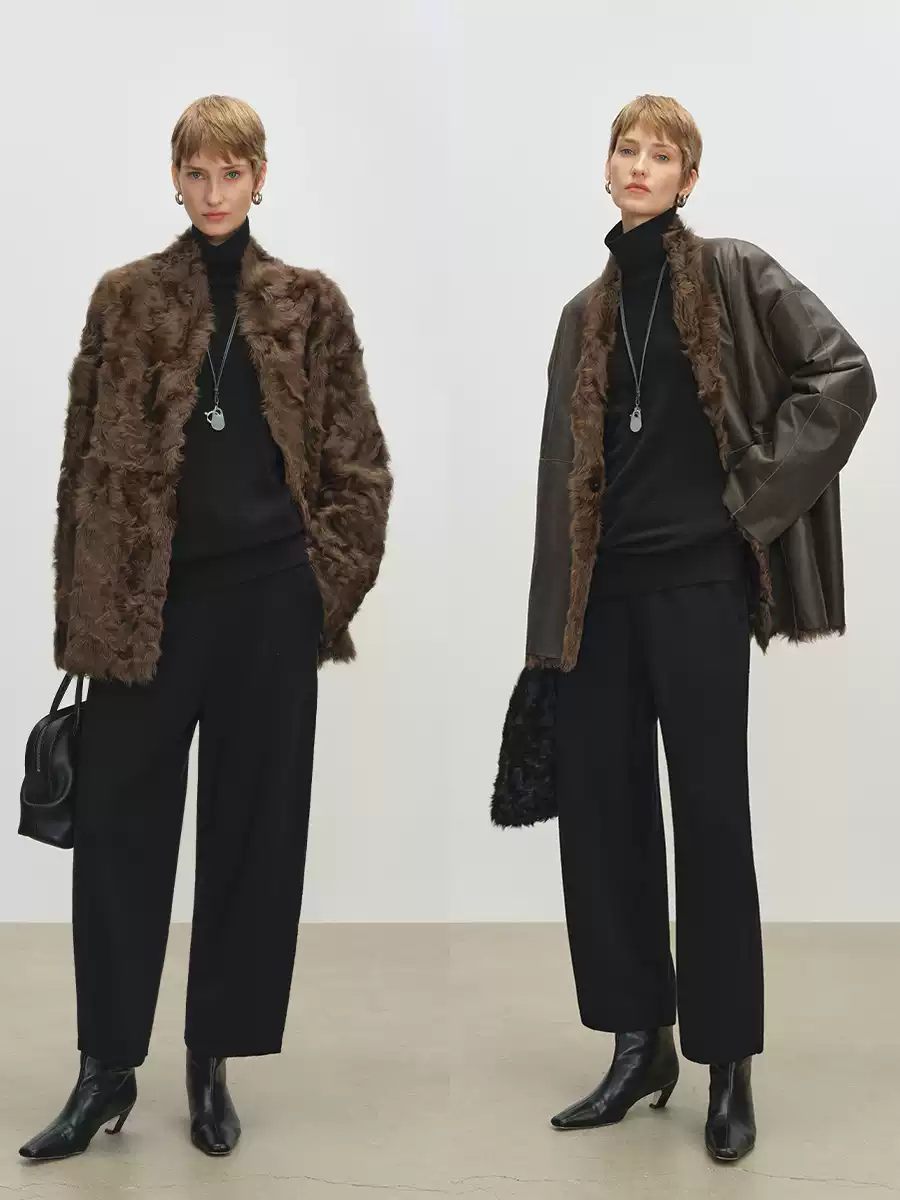
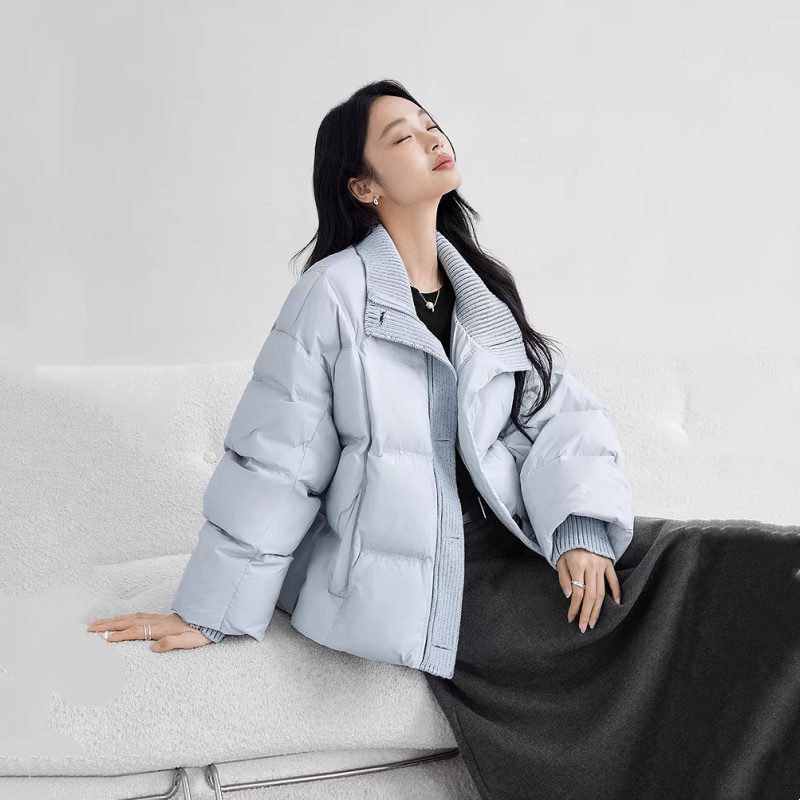
Explore our custom apparel manufacturing capabilities for the broader production service, or view private label and branded packaging support.
Quality and Approval Responsibilities
Reliable OEM and ODM work depends on a clear approval trail. TRANSION coordinates specifications, sample comments and quality requirements, while buyers provide timely decisions and confirm the final approved standard.
Quality planning may include measurement checks, workmanship review, visual inspection, packaging checks and third-party inspection. Certification or factory-audit requirements must be confirmed against the facility selected for the specific project.
MOQ, Costing and Timing
There is no single MOQ, price or lead time that applies to every project. Fabric minimums, colors, trims, decoration, pattern work, revisions, packaging, production route, material availability and season can all affect the result.
Review our apparel MOQ and costing factors and MOQ planning for smaller brands, then send the information available for a project-specific review.
Frequently Asked Questions
Is TRANSION an OEM clothing manufacturer or an ODM clothing manufacturer?
TRANSION supports both models. OEM follows buyer-controlled designs and specifications. ODM includes an agreed level of development support before the buyer approves final specifications and samples. Production may use our suitable small-scale facility or selected long-term partners, with TRANSION coordinating the project.
What is the main difference between OEM and ODM clothing projects?
The practical difference is the starting point and amount of development support. OEM normally begins with clearer buyer-provided specifications. ODM may begin with a broader direction and require more work on materials, patterns, construction and samples.
Can I start an OEM project without a complete tech pack?
Yes, if enough information is available for a structured review. You may provide drawings, measurements, a physical sample, artwork or reference images. We will identify what is still required for development and quotation.
Does ODM mean you provide a ready-made design catalog?
Not necessarily. ODM support can involve style modification, material recommendations, patterns, construction and sample development based on an agreed brief. The available approach depends on the product and required level of development.
Who owns the logos, artwork and design files?
Buyers should provide materials they own or are authorized to use. Any special confidentiality, file-control or intellectual-property requirements should be discussed before files are exchanged or development begins.
Can you arrange labels and branded packaging?
Yes. Woven labels, care labels, size labels, hangtags, barcodes and packaging can be coordinated according to approved files and project requirements.
Can third-party inspection be arranged?
Yes. Buyer-appointed or other third-party inspection can be coordinated according to the production arrangement and inspection requirements.
What are your MOQ and production lead time?
MOQ and timing vary by category, material, colors, workmanship, customization, packaging, quantity, factory arrangement and season. They are reviewed after the product requirements are understood.
Start Your OEM or ODM Project
Send your product category, available design or reference files, target quantity, materials, colors, branding, packaging, destination market and expected schedule. Tell us which decisions are final and which still require development.
Discuss Your ProjectContact TRANSION
Return to our one-stop apparel sourcing overview.
Buyer Planning Resources
Use these buyer guides to prepare production inputs and define the approval process before development begins.